
Incomplete Fulfillment: Trusting God in the Space Between the Promise and the Reality


There is a particular kind of tension that comes with waiting. Not the passive, comfortable kind of waiting where time simply passes, but the active, grinding kind where you know something has been promised, you believe the promise is true, and yet the evidence of its arrival has not fully materialized in your life. This is the tension the writer of Psalm 126 was navigating. And if we are honest, it is a tension many of us know intimately.
Psalm 126:4 carries a prayer that is deceptively simple on the surface: a cry for God to turn again the captivity of his people, like streams in the south. But buried inside that prayer is an entire theology of what it means to live between a promise received and a promise fully realized. It is a theology of incomplete fulfillment.
The Package That Has Arrived But Not Yet Been Opened
Consider the experience of ordering something important, waiting for it through delays and back orders, finally receiving notification that it has been delivered, and then arriving home to find the package wrapped in so many layers of tape and packaging material that the process of opening it becomes its own ordeal. The item you ordered is real. The promise the merchant made is being kept. And yet the difficulty of getting to what was promised is also real.
This is a picture of what trusting God can genuinely look like. The promise is not false. The word God has spoken over your life has not been revoked. But the process of walking into that promise can be exhausting, disorienting, and at times painful. We do those who are struggling a disservice when we speak about trusting God in ways that erase the genuine difficulty of the journey. The promise can be yours and still be delayed. The package can be real and still be hard to open.
God Is Not Interested in Fixing. God Is Interested in Transforming.
One of the most important distinctions to sit with is the difference between fixing and transforming. Fixing addresses what is broken and returns it to its previous condition. Transformation changes what something becomes entirely, because it cannot remain what it was.
When a leaking roof is fixed, the damaged shingles are replaced and the roof stops leaking. But when a home is transformed, the ceiling is raised, the roof is redesigned, windows are added, another story goes up. The property taxes increase, but only because the value of the property has increased. There is a cost to transformation, but the cost reflects a greater worth.
God is not simply trying to patch the broken places in your life. He is after something far more complete. He is after a transformation so thorough that the life you live on the other side looks fundamentally different from the one you were living before. Transformation with God equates to better. And better, in God's economy, always comes through a process of transition.
Living in the Already But Not Yet
Transition is uncomfortable because it places you in a space that theologians sometimes describe as the already but not yet. You are already further along than you were. God has already been moving, already been faithful, already been working on your behalf. And yet you are not yet fully restored. Not yet fully healed. Not yet standing in the complete fulfillment of what was spoken over your life.
This is not a contradiction. It is the honest reality of walking with God through a process. The difficulty of the transition does not mean the destination is not real. The drought you may be navigating right now does not mean the rain has been cancelled.
The Prayer That Invokes a Covenant
What makes the prayer in Psalm 126:4 so powerful is not just what is being asked, but how the asking is framed. The psalmist opens by addressing God as Yahweh, the covenant name of God. This was not merely a title. It was a theological argument embedded in a single word. By calling God Yahweh, the psalmist was invoking the very character and nature of God as a covenant keeper, as the one who had promised deliverance, who had promised restoration, and whose faithfulness was not contingent on circumstances.
There are moments when the most powerful thing you can do is not simply pray, but be intentional about how you pray. The psalmist was not uttering words carelessly. He was reminding God of who God is. He was appealing not to his own merit, but to God's character. And because God cannot deny himself, because faithfulness is not something God does but something God is, that prayer carried extraordinary weight.
The Rain and the Streams
The psalmist asked for streams in the south, a reference to the Negev, a deep valley that would fill with water during the rainy season, carrying enough supply to sustain life through the dry months ahead. The prophet Joel had declared in Joel 2:23 that God would send both the former rain and the latter rain in the first month of the rainy season, a compressed and abundant outpouring that would signal not just relief but the beginning of a new cycle of blessing.
This is what the psalmist was declaring when he prayed for streams. He was not asking for a trickle. He was envisioning a valley full of water. He was seeing, by faith, what the abundance of God's provision would look like when it arrived. He was practicing what might be called visioneering: not merely hoping for something, but actively seeing it, declaring it, and stepping into agreement with what God had already spoken.
The Invitation
If you find yourself in a place of incomplete fulfillment today, the message of Psalm 126 is not that your struggle is imaginary. It is that your struggle is not the final word. The tension you are living in is real. The drought is real. The delay is real. And so is the promise.
The rain is coming. And when it comes, it will not merely address what is broken. It will transform what your life becomes. The valley that looks dry right now is the same valley that, when the rain arrives, will be filled to overflowing.
You are not waiting for nothing. You are waiting for streams.
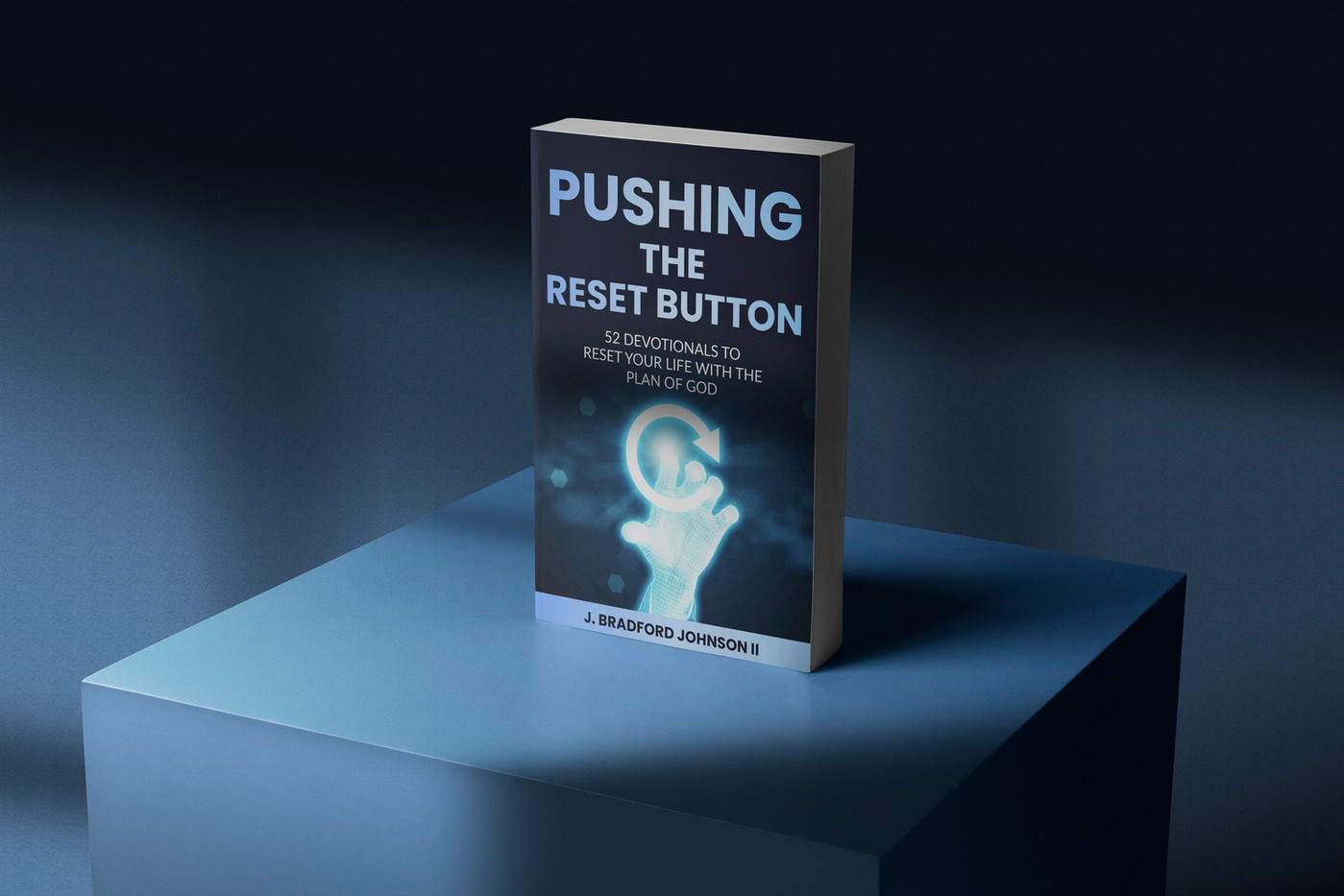
Reset Your Life Today
Discover 52 devotionals to reset your life with the Plan of God. Includes reflective exercises and prayer prompts. Grab yours today for only $35.00.

Three J. Ministries Inc.
Subscribe to our website for all things Three J Ministries Inc.

$50
Product Title
Product Details goes here with the simple product description and more information can be seen by clicking the see more button. Product Details goes here with the simple product description and more information can be seen by clicking the see more button

$50
Product Title
Product Details goes here with the simple product description and more information can be seen by clicking the see more button. Product Details goes here with the simple product description and more information can be seen by clicking the see more button.
$50
Product Title
Product Details goes here with the simple product description and more information can be seen by clicking the see more button. Product Details goes here with the simple product description and more information can be seen by clicking the see more button.



Comments